
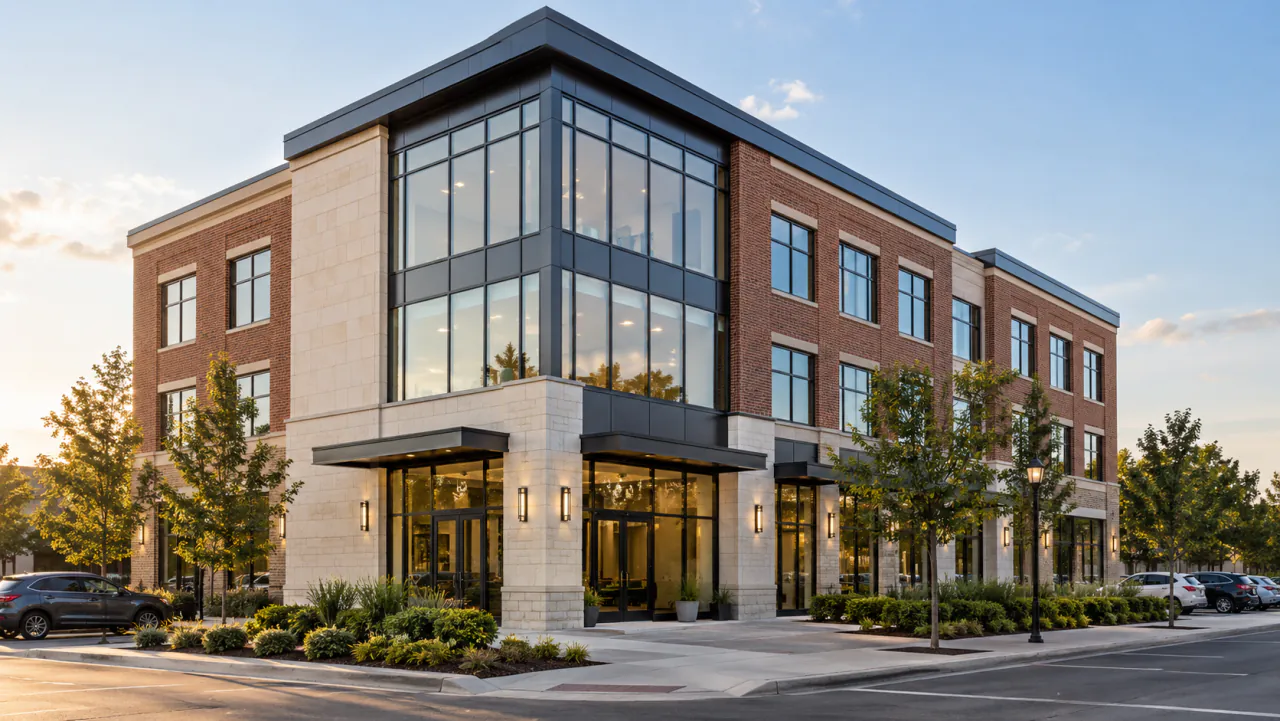
Start with the property and the plan
Commercial-property financing can differ from a residential mortgage. The property, how it is used, the transaction, expected cash flow, borrower or ownership entity, location, and requested financing can all affect which options may be considered.
This page is an initial guide, not a list of guaranteed products or loan terms. Contact AMC to confirm whether it currently handles the type of property and financing request you have.
What to prepare for a first discussion
- Property address and property type
- Whether you are buying, refinancing, renovating, or seeking short-term financing
- Current or planned property use and occupancy
- Purchase price or estimated property value
- Requested financing amount and expected timing
- Basic information about the borrower or ownership entity
- For income-producing property, available rent roll and operating information, if already prepared
Do not send tax returns, bank statements, personal identifiers, or confidential business records through a general website inquiry form. If those documents are needed later, ask AMC to provide an approved secure process.
Questions to clarify
The initial conversation should establish whether AMC can review the location, property type, transaction purpose, and general timing. If a financing route is available, ask for its term, amortization, rate structure, fees, recourse provisions, prepayment terms, documentation requirements, and major conditions in writing.
Frequently asked questions
Is commercial lending the same as a home mortgage?
No. Commercial real estate loans can involve different borrowers, properties, underwriting factors, and loan documents. The rules depend on the financing product and transaction.
Can a business or LLC borrow?
Some commercial real estate transactions involve an entity borrower, but ownership, guarantees, documentation, and eligibility vary. Confirm the requirements for the specific program.
Can I finance a multifamily property?
Availability depends on the property’s size, use, location, borrower, and the lender’s current program scope. Ask AMC to confirm before assuming a property is eligible.
What is the difference between bridge and permanent financing?
Bridge financing is generally structured for a shorter-term need, while permanent financing is intended for longer-term property debt. Terms and risks vary by lender and product. Confirm availability and compare costs, maturities, extension options, and exit requirements.
Discuss a commercial property
Provide the property type, location, transaction purpose, estimated amount, and timing. AMC can let you know whether the request fits its current commercial-lending scope and what information to prepare next.